Sweet Lemonade: A Handwritten Font for Web Design
In the crowded digital landscape, typography is often the first element that communicates a brand’s personality before a user even reads a single word of copy. As web designers and UI creators, we constantly balance aesthetic appeal with functional clarity. Sweet Lemonade emerges as a compelling solution for projects requiring a touch of warmth and human connection. This beautiful, smooth, and delicious handwritten font belongs to the Script Amp category, offering a distinct visual voice that stands out in a sea of generic sans serif options. When integrated thoughtfully into web design, it transforms static layouts into engaging, brand-focused experiences.
Visual Personality and Digital Appeal
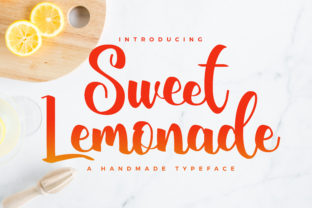
The core strength of Sweet Lemonade lies in its organic flow. Unlike rigid geometric typefaces, this script font mimics the natural rhythm of hand-lettering. The strokes are smooth and consistent, avoiding the jagged edges that can sometimes plague lower-quality handwritten fonts. For a digital product creator, this consistency is vital. It ensures that the font remains legible across various screen sizes while retaining its artistic charm. The "sweet" aspect of its name is reflected in its rounded terminals and open counters, which create a friendly and approachable tone. This makes it an ideal choice for brands that want to appear accessible, creative, and trustworthy without sacrificing professionalism.
When used in hero sections or landing page headers, Sweet Lemonade immediately establishes a visual hierarchy. It draws the eye, encouraging users to pause and engage with the primary message. However, its effectiveness depends on context. It is not a utility font for body copy. Instead, it serves as a powerful display font for short phrases, quotes, and titles where emotional impact is prioritized over dense information delivery.
Strategic Applications in Web Layouts
Integrating a decorative typeface like Sweet Lemonade requires strategic placement. Here are several high-impact areas where this font excels in modern web design:
- Hero Sections and Banners: Use Sweet Lemonade for main headlines on homepages to create an immediate emotional connection. It works exceptionally well for lifestyle brands, creative portfolios, and boutique online stores.
- Call-to-Action Areas: While not suitable for small button text, it can be used for larger CTA headers or promotional banners that highlight limited-time offers or special announcements.
- Blog Graphics and Quotes: Break up long-form content with pull quotes styled in Sweet Lemonade. This adds visual interest and encourages scanning behavior, keeping readers engaged.
- Logo Design and Brand Identity: For startups and solopreneurs, this font can serve as the foundation for a logo mark, providing a unique and memorable brand asset that scales well across social media graphics and website headers.
- Course and Coaching Pages: Educational platforms often benefit from a personal touch. Using this handwritten font for module titles or instructor introductions can make digital learning feel more intimate and supportive.
Readability and Responsive Considerations
One of the biggest challenges with script fonts is maintaining readability on mobile devices. Sweet Lemonade is designed with smooth curves that help mitigate some of these issues, but best practices must still be followed. On smaller screens, avoid using the font at sizes below 24px for critical information. Ensure sufficient line height to prevent the ascenders and descenders from overlapping, which can cause visual clutter.
Contrast is another critical factor. When placing Sweet Lemonade over image overlays, ensure there is enough contrast between the text color and the background. A semi-transparent dark overlay often works best to make the light, airy strokes of the font pop. For dark mode interfaces, consider using a slightly heavier weight if available, or increasing the font size to maintain legibility against black backgrounds. Always test your layouts on multiple devices to ensure the font renders correctly and remains easy to read.
Effective Font Pairing Strategies
To maximize the impact of Sweet Lemonade, pair it with complementary typefaces. The goal is to create balance between the decorative nature of the script and the functional clarity of a supporting font. Here are two effective pairing strategies:
- Script + Sans Serif: Pair Sweet Lemonade with a clean, modern sans serif font for body copy and navigation. This combination is timeless and works well for tech startups, SaaS products, and modern e-commerce sites. The simplicity of the sans serif allows the script to shine without competing for attention.
- Script + Serif: For a more editorial or luxury feel, combine Sweet Lemonade with a classic serif font. This pairing evokes sophistication and tradition, making it suitable for wedding planners, high-end boutiques, and literary blogs. The serif adds weight and authority, while the script provides elegance.
Avoid pairing Sweet Lemonade with other decorative or handwritten fonts. This can create visual chaos and reduce the overall professionalism of the design. Stick to one display font per layout to maintain a clear visual hierarchy.
Technical Implementation and Licensing
Before implementing Sweet Lemonade in a client project or digital product, verify the technical specifications. Check for webfont availability, such as WOFF or WOFF2 formats, which are optimized for fast loading times on websites. Slow-loading fonts can negatively impact user experience and SEO rankings. Additionally, review the included styles and alternates. Some script fonts offer ligatures or contextual alternates that improve the flow of connected letters, enhancing the natural handwritten look.
Licensing is a crucial consideration for commercial use. Ensure that your license covers web embedding, especially if you are building sites for clients or creating digital templates for sale. Many premium fonts require specific licenses for desktop use versus web use. Using a font without proper licensing can lead to legal issues and damage your professional reputation. Always read the end-user license agreement carefully to understand the scope of permitted uses, including online stores, landing pages, and branded web content.
By understanding the strengths and limitations of Sweet Lemonade, web designers can leverage this tool to create more engaging, human-centered digital experiences. It is not just a font; it is a design asset that, when used correctly, enhances brand identity and improves user engagement across all digital touchpoints.